mindful-spending
How to Track Buyer Regret Without Shaming Yourself
A decision history should help you learn from purchases, not make you feel worse about every choice.
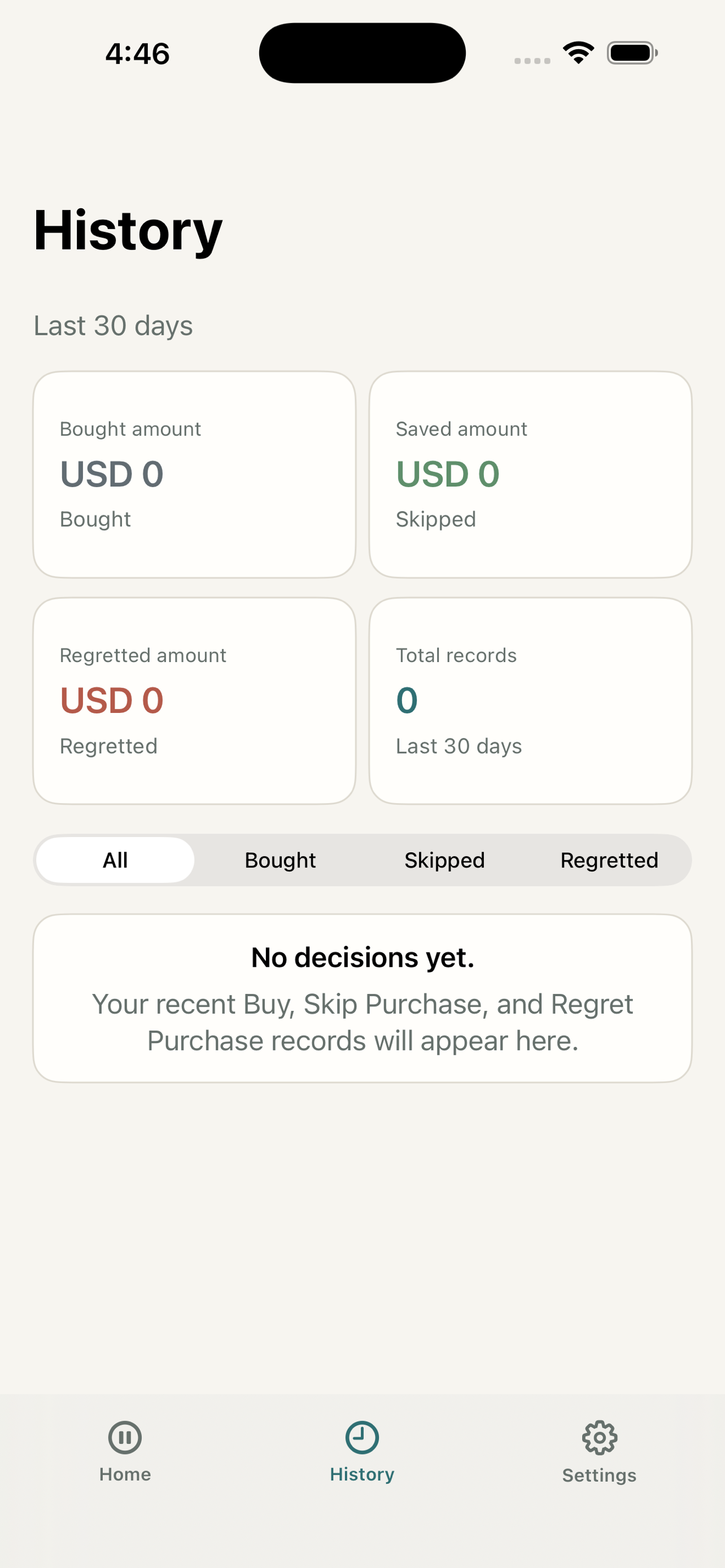
Regret is data, not a verdict
Buyer regret is common because shopping decisions often mix need, mood, identity, convenience, and pressure. Treating regret as a personal failure usually makes the pattern harder to inspect.
A calmer approach is to track the decision, the price, and the outcome, then look for repeat situations.
Record more than skipped purchases
If an app only celebrates skipped purchases, it can become unrealistic. Some buys are good decisions. Some waits become buys. Some purchases become regrets later.
Worth It Later records Buy, Skip, Wait Longer, and Regret-style outcomes so the history is more honest than a simple saved-money scoreboard.
Use categories lightly
Categories can help if they stay simple. Clothing, tech, home, hobby, food, gifts, and subscriptions may be enough. The goal is pattern recognition, not perfect accounting.
If one category keeps appearing during stress, late-night browsing, or deal events, that is the useful insight.
Avoid shame copy
A tool for impulse buying should not sound like a scolding parent. Shame can push people away from the very history that would help them improve.
Neutral language is more durable: bought, skipped, extended, kept, regretted. These words describe decisions without turning the user into the problem.
Review weekly, not constantly
Checking a decision history after every urge can become its own anxious habit. A short weekly review is usually enough: which items survived the pause, which disappeared, and which stores or moods kept showing up?
The point is to learn how your own buying pressure works, then design better friction for the next decision.
Look for one next adjustment
A useful review should end with one practical change. Maybe you pause clothing purchases for 72 hours, remove one shopping app from the home screen, or stop browsing deal emails at night.
Small adjustments are easier to keep than dramatic rules. If the history helps you change one repeated trigger, it has already done useful work.
Worth It Later
Pause the purchase before checkout.
Worth It Later helps you save a purchase, wait 24, 48, or 72 hours, then return to Buy, Skip, or Wait Longer without creating an account or connecting a bank.
FAQ
What should I track after an impulse buy?
Track the item, price if useful, why you wanted it, whether you bought, skipped, or waited longer, and whether you later regretted it.
Should I feel bad about buying after a pause?
No. Buying after a pause can be a deliberate choice. The goal is clarity, not guilt.
How often should I review purchase history?
Weekly or monthly is usually enough. Constant review can make the habit feel heavier than it needs to be.
Does Worth It Later keep full history forever?
The MVP focuses on recent on-device history, including the last 30 days.
